Alpha Portfolio Service Brochure
AI-mageddon!
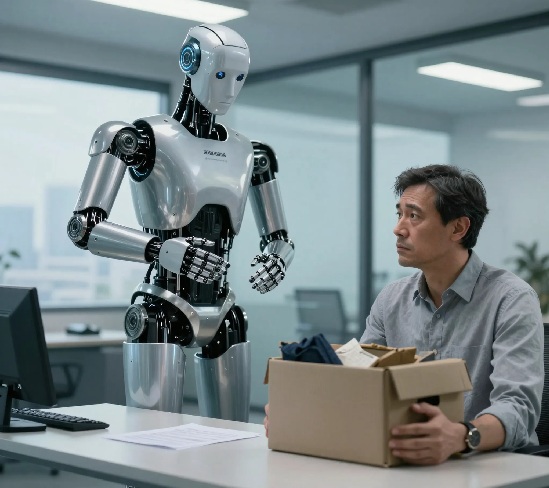
Despite markets recently hitting all-time highs, concerns over the impact of artificial intelligence (AI) have sparked a sharp sell-off in computer software companies and data providers. This has been driven in part by the launch of new AI tools.
As a result of US technology disruptor Anthropic launching the smart business tool, Claude, SaaS (Software-as-a-Service) providers were initially hit. However, this has subsequently extended to wealth management companies with the launch of an AI financial planning strategy product from Altruist. Price comparison site operators were also hit last week as Insurify launched an AI platform in the US to find better car insurance deals.
Meanwhile, markets are having to consider the vast sums that many of the biggest US tech companies are having to invest in building their AI capacity. While some of these are sitting on enormous cash piles, the skyrocketing investment in AI is seeing capital spending outstrip cash flow even amongst some of the most profitable businesses. Alphabet, Google’s parent company, Amazon and Facebook owner Meta all recently surprised investors with the scale of their AI investment.
For example, Amazon announced plans to invest $200bn in 2026 alone in expanding its AI capacity, including AI chips and datacentres. The worry is that some of the world’s most cash-generative businesses could start to see their cash piles plummet towards negative territory. Amazon’s cash flow is expected to be lower than its capital spending, according to some investment analysts, in 2026.
This suggests that management teams will have either to reduce share buyback programmes, use current cash reserves up or tap bond and equity markets to raise fresh funds to invest in AI. Those companies with existing long-term borrowing are likely to see debt increase. With some analysts forecasting over $660bn of AI investment in 2026, it looks as if the pace of bond issuance is very likely to increase.
Given the concerns about the scale of AI capital investment and the effect of disruptive AI tools on existing computer software business models, it is no surprise that global tech companies have experienced volatility in recent weeks. For now, the payback on this AI investment remains uncertain just as the precise impact of potential disruption from the new AI product offerings from Anthropic on existing business models remains unknown.
We know the world is undergoing a very rapid AI industrialisation and there remains much uncertainty that is creating extreme volatility. AI is expected to increase global GDP and labour productivity. Data-rich sectors with repetitive, pattern-based tasks are most likely to be disrupted. This includes information technology and software together with finance given the rise of robot-advisers and the automation of back-office roles like data processing. The fact that even property companies have seen share price falls would suggest markets fear AI leads to a vast number of job losses amongst white-collar workers almost overnight, leading to a collapse in demand for offices! Yet, if so, what would this mean for the global economy?
Many businesses are already building AI into their product offerings, but only time will tell who the real winners are.
For now, markets have adopted a ‘shoot first and ask questions later’ policy and all we know for certain is that markets hate uncertainty! It may take some time for the dust to settle from the AI explosion!
What have we been watching?
AI-mageddon! In just 14 days, markets are estimated to have wiped over $1 trillion of value from numerous companies on fears that AI (artificial intelligence) could fundamentally reshape existing business models and pressure profitability. This has hit a wide range of sectors, including software, IT consulting, legal services, wealth management, insurance, price comparison, logistics and commercial real estate. In the US, the S&P 500 index, the NASDAQ and the ‘Mag 7’ all ended the week lower. By comparison, European markets posted gains last week, albeit those companies perceived to be at risk from AI disruption saw sizeable share price falls.
Further to last week’s Alpha Bites – TACO, the House of Representatives voted to end US tariffs on Canada as six Republicans voted with the Democrats. However, the vote is largely symbolic, as it still needs to be approved by the Senate. Meanwhile, markets are still awaiting a ruling from the US Supreme Court on the validity of Trump’s IEEPA tariffs. Large numbers of companies are reported to have already put in claims to get the tariff monies back that they have incurred so far to be at the top of the queue if the Supreme Court rules against Trump. He will no doubt fight back should the ruling go against him. However, if the US administration had to return tariff funds, what would this mean for government finances and US Treasury yields?
The global economic tectonic plates continue to shift. Apparently, China’s regulators have called on Chinese banks to scale down their holdings of US Treasury bonds over increasing concerns over the safe-haven status of US debt given the policy changes under Trump. Gold has been one of the beneficiaries of China’s diversification away from US debt. Meanwhile, Beijing confirmed there are talks over a US presidential visit to China in April which has raised hopes that the current trade truce between the US and China might be extended for a further year.

In the UK, economic growth in the final quarter of 2025 was just 0.1%. The economy flatlined as expected due to budget uncertainty, but December manufacturing and construction were weak. However, business activity in the service sector picked up in January with a PMI reading of 54.0, which provides some grounds for optimism.

In the US, while the AI scare dominated sentiment, there was a mass of economic data releases. Early last week, the data pointed to softer activity as December retail sales were flat and slower fourth quarter economic growth expectations from the Atlanta branch of the Federal Reserve (Fed) saw US Treasury yields move lower. However, the mood improved after a stronger than expected January jobs report, which reinforced confidence that the US economy has carried its solid momentum into 2026. January CPI inflation also came in below expectations, which raised market hopes for more interest rate cuts by the Fed by the end of the year.

In Japan, PM Sanae Takaichi highlighted a ‘responsible pro-active fiscal policy’ approach in addressing bond market concerns. Markets are questioning the PM’s plans to cut the sales tax on food for two years while ramping up spending on defence and strategic industries.

Brent oil was unchanged at $67 as America sent a second aircraft carrier strike group to the Middle East as negotiations with Iran continue. Trump said, ‘Either we make a deal, or we have to do something very tough. Like last time.’
Finally, it’s no laughing matter. Young Brits are using so much ‘laughing gas’ recreationally that explosions of small nitrous oxide containers are increasingly shutting down plants that convert waste to energy. Suez, which operates ten energy-from-waste facilities in the UK, had to deal with 7,000 such explosions last year which cost it about £4.9m in business interruption costs.

1 The Square,
Temple Quay,
Bristol BS1 6DG
Tel: 0117 203 3460
Email: info @ alpha-pm.co.uk

Full version
© Alpha Portfolio Management 2026. All Rights Reserved
Site by Lookhappy