Alpha Portfolio Service Brochure
Car finance mis-selling – stuck in a jam
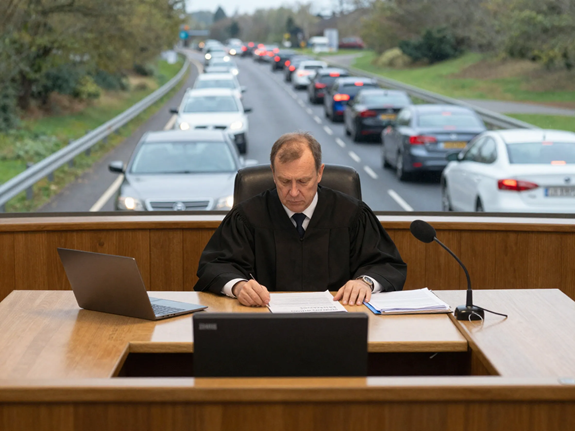
Millions of drivers who were mis-sold car finance agreements will have to wait until at least 2027 to receive compensation, the Financial Conduct Authority (FCA) has announced.
Originally, it was thought the matter could be resolved by the summer of 2026, but ongoing disputes from lenders mean that payments might not be made until 2027 at the earliest.
Over 10 million motor finance agreements could be incorrect, with the average compensation payment estimated to be about £829 per customer and a total payout of over £7.5bn. Some of the banks and finance companies involved will also face a further £1.6bn of costs.
The car finance scandal centres on undisclosed commissions paid by car lenders to car dealerships when they offered loans to customers. In 2021, the FCA banned deals where car dealers received commission from lenders, based on the interest rate charged to the customer. Compensation may still be due to many of those who took out a car loan between April 2007 and November 2024, but the outcome remains very unclear.
The FCA has now received legal challenges from three lenders: Volkswagen Financial Services, Mercedes Benz Financial Services and Credit Agricole Auto Finance. The UK’s Upper Tribunal has agreed to hear the legal challenges to the compensation scheme, either in December or February next year.
The current car finance compensation scheme is nowhere near the size of the earlier car Payment Protection Scheme (PPI) mis-selling scandal, which amounted to £38bn. Nonetheless, a £7.5bn boost to consumer spending would be most welcome, so the delay in compensation due to the legal challenge is frustrating. When it comes to the UK economy, every little helps!
What have we been watching?
An increasingly fragile US-Iran interim peace agreement following more tit-for-tat attacks over the weekend. The US insists the Strait of Hormuz is open, despite Iran saying it has closed the waterway. This morning Brent oil has jumped 4% to almost $97. While Trump called Iran ‘scum’ and said the ‘ceasefire is over,’ he has said subsequently that talks will continue and that mediators are trying to revive the peace process.
Golbal semiconductor stocks steadied last week following the strong reception for chipmaker SK Hynix’s ADRs in the US, which valued it at over $25bn and news that Micron is planning to increase investment in its US plants by an extra $50bn to $250bn by 2035, (see Alpha Bites -The AI ’Gold Rush’ – picks and shovels). However, investors remain concerned that the AI semiconductor chip cycle may be nearing its peak, prompting continued exceptional volatility in chip manufacturers. For example, this morning SK Hynix shares have fallen over 15% – its biggest decline on record – as South Korean investors have been selling. This, together with a sharp fall in chipmaker Samsung, it has seen the South Korean KOSPI index tumble. Today’s sell-off would appear to dash hopes that SK Hynix’s US ADR listing would help revive the South Korean market, which now stands about 27% below its record intraday high of mid-June.
Over the weekend, the US carried out strikes against multiple targets in Iran. In turn, Iran launched attacks against US targets in Jordan, while the UAE, Qatar, Kuwait and Oman responded to missile and drone attacks. The latest hostilities were sparked after the IRGC said it had fired a naval cruise missile at a vessel that was attempting to sail along an unapproved route through the Strait of Hormuz. US media reported that Iran told American officials the attack had been a mistake and carried out by a rogue internal group. Markets continue to hope that a peace deal is possible, but with so little trust between the two sides, this currently looks like a big ask and the risk remains of the conflict escalating.
Control of the Strait of Hormuz remains one of the biggest sticking points and the US insists Iran does not control this vital maritime corridor. Trump claims to be ‘beating them up’ but will be mindful that the US midterm elections are looming on the horizon and US voter approval for the war in the Gulf remains low.
At the NATO leaders’ summit, Trump said that the US ‘could remove all our soldiers from Europe’ and reiterated his desire for Greenland to be under US control.

In the UK, PM in waiting Andy Burnham is reported to be considering an expanded budget this autumn, possibly in October, combining the fiscal statement with a departmental spending review. This is expected to set his political strategy until the next election. Chancellor Rachel Reeves is expected to be replaced, with Energy Secretary Ed Miliband seen as the front runner to succeed her.
UK media is awash with rumours of a potential £38bn Burnham tax raid. Possible measures include increasing the additional rate of income tax from 45% to 50%, replacing council tax with a land value tax, a new ‘care levy’ of up to 10% on the value of estates after death, reforming capital gains tax rates, and imposing national insurance on landlord rental income. Andy Burnham has also promised the ‘biggest council house building programme since the postwar period.’ However, as with Rachel Reeves’ two previous budgets, the uncertainty in the lead up to the latest one is likely to overshadow UK economic activity. Given the renewed uncertainty in the Gulf and taxing questions at home, the 10-year Gilt yield rose back above 4.9%.

The Japanese yen strengthened and bond yields moved lower after Japan’s finance minister spoke of plans to encourage pension funds to increase investment in domestic fiscal assets.
Finally, ‘America First’ and never mind the rest of us. Trump’s tariff threats have seen British companies ramp up capital investment by 23% in the US in the last year. Companies spending on new production facilities in the US include Diageo and JCB, but the biggest are the UK pharma giants AstraZeneca and Glaxo. These businesses are no doubt attracted to the US by the size and growth of the US economy, but the tariff threat makes the investment decision easier. While the UK has a low tariff of 10%, Trump has threatened to increase it on multiple occasions.

1 The Square,
Temple Quay,
Bristol BS1 6DG
Tel: 0117 203 3460
Email: info @ alpha-pm.co.uk

Full version
© Alpha Portfolio Management 2026. All Rights Reserved
Site by Lookhappy