Alpha Portfolio Service Brochure
Trump’s diesel deal with the devil
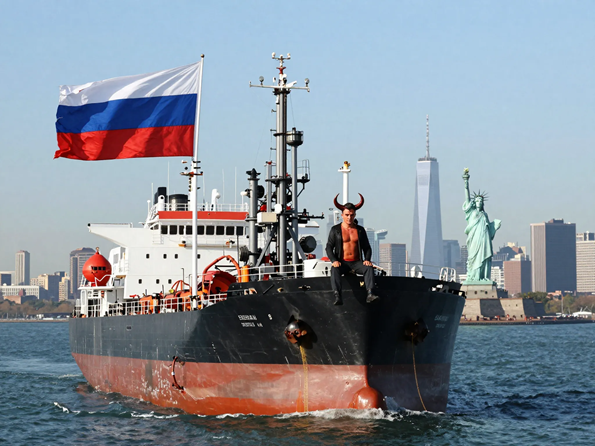
Trump has accused Ukraine of driving up the price of diesel, forcing him into a highly contentious deal with Putin to access Russian diesel. Strains between Washington and Kyiv are once again apparent and the deal has been widely criticised, even by members of Trump’s own Republican Party.
Elevated energy prices and latterly diesel, are being used as leverage in global geopolitics and as a political tool ahead of the US midterm elections.
While the US continues to propose tri-lateral talks between the US, Ukraine and Russia, the war of attrition continues. Trump’s so-called ‘energy ceasefire’ did not last long. Ukraine recently carried out its largest drone attack on St Petersburg, including upon its oil refinery, defying Trump’s demands to halt strikes.
Meanwhile, Russia has stepped up attacks on Ukrainian ports such as Odessa. While strikes on Ukrainian port infrastructure and civilian shipping have not closed the ports, insurance underwriters have withdrawn cover, and shipowners have diverted vessels elsewhere. For Putin, it is an effective way to pressure Kyiv as agriculture is thought to have earned more than half of the country’s export revenue last year.
Ukraine’s grain exports have fallen significantly since August. However, Ukraine has countered by attacking Russia’s grain exports through the Black Sea and Russian grain exports are now at their lowest level in 15 years.
This will have ramifications for world food prices. Russia is the largest exporter of grain in the world, while Ukraine is the fifth. Between them they supply nearly a third of the world’s wheat demand. Analysts are expecting global food prices to rise by over 9% in 2026 and by over 4% in 2027. This is not encouraging news for the 400 million reliant on the United Nations’ World Food Programme or central bankers having to consider food inflation. The threat to Ukrainian and Russian grain exports combined with the current disruption to shipping in the Red Sea and Strait of Hormuz is unhelpful to which must be added the uncertainty from the latest El Niño weather phenomenon.
Sadly, without an off-ramp for Putin, the war currently looks as if it may drag into its fifth year. Trump’s US midterm election driven Russian ‘diesel deal’ only provides Putin with the means to continue to pursue his special military operation ambitions.
Everyone would welcome a peace deal – but for now the war of attrition continues.
What have we been watching?
A tougher week for risk assets due to the same market worries – energy prices, AI, France! The week ahead will see a number of central banks making their latest interest rate decisions and given this backdrop, most are expected to leave rates on hold for the time being.
Rising energy prices continue to stoke inflation fears. Brent oil rose for a third consecutive week, rising by over 6% to over $116. European natural gas futures also hit a post-2022 high of €93.85/MWh, having risen over 7% last week. Besides continued Houthi attacks on Saudi Arabia, markets are concerned that the US and Israel are considering renewed strikes on Iran after the US midterm elections and Israel’s election.
AI companies remained under pressure last week, with the Philly semiconductor index losing ground for the third consecutive week, ending down over 3%. Concerns remain about the sheer scale of investment and unquantified returns on this investment as well as margin pressure from Chinese competition. CoreWeave fell by over 11%, while Meta also declined by over 9%. Losses for semiconductor chip companies dragged down US equities. The switch in sentiment towards AI stocks was also reflected in the South Korean IPO Elice, an AI infrastructure and cloud company where the offer was 400 times oversubscribed, yet the shares fell by 30% in first day trading!
Despite massed march protests in France over the weekend, the more extreme scenes of the previous weekend were absent, suggesting the authorities have regained some control over the situation. Nonetheless, the spread between German and French bonds (OAT-Bond spread) widened once again, closing not far off its closing peak during the 2009 Euro crisis.

In the UK, investors will be focusing on the budget on Wednesday, the first from the new PM and Chancellor. Andy Burnham and John Heally face a difficult balancing act, trying to offer more support for households and meet commitments on defence spending, while also sticking to Labour’s manifesto commitments on tax and the government’s self-imposed fiscal rules. The government is signalling a ‘steady as she goes’ approach mindful of bond market sensitivities, but concerns could emerge if the Chancellor seeks to increase borrowing by re-classifying day-to-day spending or by relying on overly optimistic assumptions for growth and productivity.

In Europe, the ongoing situation in France together with upward pressure on bond yields from higher energy prices is creating a real headache for the European Central Bank (ECB). This has led to fresh questions about whether the ECB would even be able to raise interest rates again this year. Market futures are pricing in a 69% chance of an ECB rate hike in December, but this has fallen from 90% a week ago.

In the US, there were more signs that the recent rise in bond yields is weighing on the housing market, with a decline in housing starts and a slowdown in pending home sales. This week, the Federal Reserve (Fed) is expected to keep interest rates on hold. Futures are pricing in just a 10% chance of a hike compared with over 50% a few weeks ago. Focus is therefore likely to focus upon Fed Chair Kevin Warsh’s press conference, where the tone is expected to continue to be ‘hawkish’.
In Brazil, President Lula pulled off a remarkable election comeback, winning a record fourth term despite having lost the first round. However, Brazilian equities have fallen sharply following this result, as his rival was seen as a more market-friendly candidate. The bigger question is whether Lula, given congressional constraint, can establish a credible fiscal path given debt concerns and high borrowing costs.

China’s economy grew by 4.5% in the third quarter of 2026, rebounding from a three-year low as the AI boom helped exports. China’s trade surplus is on track to surpass the record $1.2 trillion seen last year as it floods overseas markets with EVs. However, the domestic situation looks less rosy, with property investment down by 20% from last year.
Finally, ‘Captain Kirk, I have nae got the power.’ Microsoft is pulling out of a project to build one of the UK’s largest data centres in Loughton, Essex. The £2bn data centre being built by Nscale was due to receive its power supply at the end of the year, but apparently this will not now happen until the 2030s. As we have highlighted previously, growing electrification with EVs and data centres will place a greater burden on the UK’s energy network and the inability to expand infrastructure at a fast enough pace is damaging economic growth opportunities.

1 The Square,
Temple Quay,
Bristol BS1 6DG
Tel: 0117 203 3460
Email: info @ alpha-pm.co.uk

Full version
© Alpha Portfolio Management 2026. All Rights Reserved
Site by Lookhappy