Alpha Portfolio Service Brochure
Nuclear… not so clear
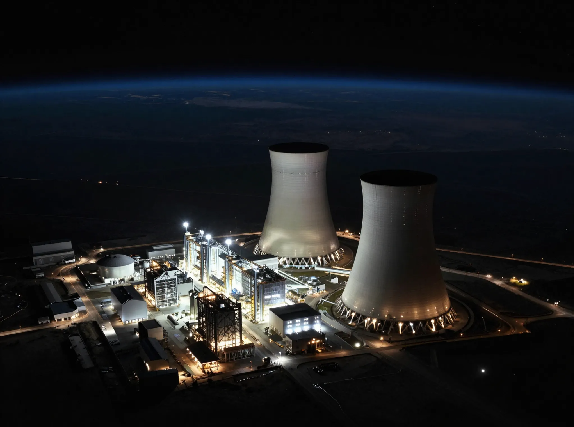
The UK’s National Energy System Operator (NESO) has issued an Electricity Margin Notice for tomorrow morning – alerting the market of a potential energy shortfall. It is highly unusual to have an alert for the morning, as it normally flags the evening peak demand – not a potential supply shortfall.
With a risk of energy supplies being restricted as European gas prices hit a post-2022 high, and given the UK government’s long-term net zero ambitions, nuclear power has been seen as the holy grail. However, recent events have raised questions about UK and US nuclear energy policy.
In the UK, a planned new nuclear power station on the Suffolk coast has been branded a ‘terrible deal’ for taxpayers by a committee of MPs.
A report published by the House of Commons’ Public Accounts Committee said Sizewell C was ‘high risk’ and it would be the taxpayer who would foot the majority of bills if there were construction delays. It warned the design of the power station had been used on other projects, including Hinkley Point C in Somerset and there was a ‘clear pattern of significant delays and substantial cost escalations.’ The project is expected to be completed between 2039 and 2042 and cost between £40.5bn and £47.7bn. Taxpayers could be hit with an additional £9.8bn during construction and £12bn over the 60-year operating contract through higher energy bills.
In the US, concerns that the AI datacentre capital spending boom is slowing have wiped more than $30bn off the market value of the five largest US-listed nuclear energy groups in the past year – Oklo, Centrus Energy, BWX Technologies, NuScale and Nano Nuclear.
Meanwhile, Holtec International, which has been racing to reopen a shuttered reactor at the Palisades nuclear power plant in Michigan, was forced to postpone a planned listing that would have valued it at $10bn. There are growing fears that financial and political pressures to revitalise America’s nuclear industry as an answer to booming AI-driven demand are increasing the risks of accidents.
The latest twist for the sector, the Democrats wining in the US midterm elections, has raised concerns that they will restrict the pace of construction of new AI datacentres, which in turn will slow the demand for energy and so create a further headwind for America’s nuclear industry!
What have we been watching?
The market concentration risk of massive US tech stocks is a topic we have highlighted in previous Alpha Bites. So, markets have more to digest with the breaking news that US AI chip giant Nvidia is to investigate the CEO Jensen Huang’s affair with a suspected Chinese spy!
Meanwhile, we have been watching Trump’s Republican party getting a walloping in the US midterm elections!
Last week was difficult for US tech stocks amid concerns over increased AI regulation by the Democrats. This was partly countered by the easing of fears of further escalation in the conflict in the Middle East. This saw oil prices fall, so lessening inflationary pressures and helping to bring down government bond yields around the world.
The two themes that have dominated equity markets in 2026, the longevity of the AI capex roll-out and the oil price, look set to continue for some time to come.
NASDAQ fell by 3.3% last week, but the falls were bigger in AI-related companies with the Philly semiconductor index down by over 12% last week on AI regulation fears. However, the old-economy Dow Jones Index fell only around 1%, highlighting the potential rotation out of the technology sector as market concentration unwinds.
Globally, the most tech exposed indices suffered. Japan’s Nikkei index fell by over 9% last week, making it the worst weekly performance since the Covid pandemic in 2020. However, European markets were stable, reflecting the smaller exposure to AI and the tech sector and a boost from falling oil prices. The rotation from tech to non-tech also benefited UK equities, as we have seen in previous corrections.
While the Houthis and Saudi Arabia continue to undertake attacks on one another, nonetheless, the US midterm election result eased fears of further escalation between the US and Iran, and Brent oil fell by over 13% to $98. This morning has seen oil prices continue to ease with Brent oil below $97. Markets have taken some encouragement from reports that Iran’s supreme leader has been granted ‘additional authority’, which would allow talks on issues previously considered ‘non-negotiable’. Qatari mediators have also been making positive noises, however, Iran’s Supreme National Security Council has said that the US response to Iran’s rights and demands was not satisfactory.

In the UK, the Bank of England (BoE) increased interest rates by 0.25% to 4% as widely expected, however, there was a surprise in that this was a unanimous vote, and the only dissenter wanted a 0.5% hike. BoE governor Andrew Bailey said a ‘further increase in bank rate may be warranted’ unless progress is made towards resolving the conflict in the Middle East. The BoE expects CPI inflation to hit 4.9% in the second quarter of 2027. The case for a further 0.25% rate hike in December now looks more finely balanced, but much still rests on events in the Middle East.

In the US, the Democrats made significant gains in the midterm elections, winning both the House of Representatives and the Senate. When Congress convenes in January, it will be the first time the Democrats have controlled both chambers since the first two years of Joe Biden’s presidency. Furthermore, it is the first time in either of the two Trump administrations that the Democrats have both the House and the Senate, as in Trump’s first term, the Republicans still had a Senate majority. In summary, this will add to the constraints on the Trump administration.
Finally, following the historic $6.3bn cryptocurrency heist, Binance said it had covered around 95% of the assets stolen in the breach. Binance customers’ response to the hack was to withdraw $4.6bn of their assets as soon as trading reopened. Meanwhile, the North Korean state-backed hackers Trade Traitor have laundered and layered these funds across many thousands of addresses and thousands of deposits. North Korea has systematically developed its cybersecurity operations, having recruited the most promising university students and channelled them into hacker groups overseen by its intelligence agency. Financial exchanges and institutions will need to be even more watchful in future, as the threat is likely to grow further.

1 The Square,
Temple Quay,
Bristol BS1 6DG
Tel: 0117 203 3460
Email: info @ alpha-pm.co.uk

Full version
© Alpha Portfolio Management 2026. All Rights Reserved
Site by Lookhappy