Alpha Portfolio Service Brochure
Putin’s hybrid war against Europe
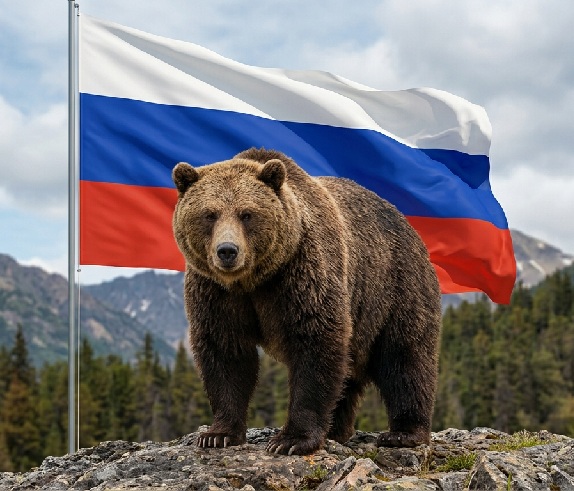
President Trump’s envoys Steve Witkoff and Jared Kushner recently held talks with both Putin and President Zelensky, hoping to resume trilateral negotiations between Russia, Ukraine and the US, which stalled following the Gulf conflict. A central issue is the remaining Ukrainian-held territory in the Donbas. Putin has repeatedly insisted that any peace agreement would need to recognise the realities on the ground and that he is opposed to a ceasefire as a prelude to peace talks. In the latest discussions, there was general acknowledgment that the war was unlikely to end before the winter.
In the meantime, Putin appears to have become emboldened, judging by the increasing hybrid warfare he is undertaking against NATO in Europe. Last month, the authorities foiled an attack on Leipzig/Halle airport, using a drone laden with military-grade explosives. This should be a wake-up call and it has exposed NATO’s failings to deter Russia from staging attacks below the threshold that triggers the alliance’s Article 5 mutual defence clause.
Russian proxies and intelligence agencies have been undertaking hybrid warfare against Europe for some time now, sowing disinformation, launching cyberattacks, fire-bombing warehouses, targeting politicians’ homes and cars and damaging undersea fibre optic cables. European intelligence agencies are bracing themselves for an increase in Russia’s reckless activity to coincide with a run of key European elections next year, including in France, Italy and Poland.
NATO’s Article 5 has a ‘fuzzy boundary’ which Russia keeps on exploiting. Complicating NATO’s position is the perceived shift in US policy towards Russia, with Trump playing down the threat from Putin.
The UK is also squarely in Putin’s crosshairs for its robust support of Ukraine, including missile technology. Over the weekend, a Russian drone hit a train near the Ukraine-Poland border, shortly after former PM Boris Johnson and top European security officials had passed through. A coincidence or the latest reckless act by Putin?
Be prepared for more hybrid warfare by Putin, whether it be more cyberattacks or attempts to damage our undersea energy and communications.
What have we been watching?
A huge sell-off in government bonds, which pushed yields up to multi-year highs around the world as global stagflation fears resurfaced. This was driven by a fresh surge in energy prices as the situation in the Gulf deteriorated. Markets are concerned that central banks may need to hike interest rates more aggressively.
Meanwhile, over the weekend there was a rare show of agreement amongst several of the most important AI leaders who are concerned that AI development is now moving so quickly that safety, oversight and our ability to fully understand the systems need more time to catch up. For investors, the key question is whether this is the first sign that the extraordinary AI investment cycle might eventually moderate. This seems unlikely, as it is hard to see China slowing its AI development activity, which is something President Trump said over the weekend, who didn’t seem to favour any kind of pause.
Brent crude oil rose by almost 9% last week to just over $104 while European natural gas prices jumped by over 10%. This morning, Brent oil has climbed a further 3% to $107. The increase followed further attacks on tankers in the Gulf and the precautionary closure of a major Saudi Arabian oil pipeline by drones that had been fired from Iraq. The pipeline has been exporting between 4 to 5 million barrels of oil a day and has been Saudi’s primary workaround since Iran closed the Strait of Hormuz. The key issue now is how quickly the pipeline can be restored. To add to Saudi Arabian and market woes, the Houthi rebels have captured Perim Island, threatening its Red Sea oil exports. About 12% of global trade passes through the Red Sea, so its closure, alongside that of the Strait of Hormuz, is a major concern. Crown Prince Mohammed Bin Salman has reportedly requested direct US military assistance against the Houthis, though Trump has apparently declined direct strikes against the Houthis. Trump has said that he does not think the Iran war will end until after November’s mid-term elections, adding that oil prices will not come down until then.

Last week, the European Central Bank increased interest rates by 0.25%, commenting that ‘inflation is expected to remain well above target for an extended period.’ Looking to the week ahead, it is a bumper week for central bank interest rate decision making. The Bank of England is expected to keep rates on hold at 3.75% while the Bank of Japan is expected to announce a 0.25% hike with the decision driven by currency stability considerations as well as inflation.

In the US, futures suggest an 87% probability that the Federal Reserve (Fed) will hike interest rates by 0.25%. Focus will fall upon new Fed Chair Kevin Warsh’s press conference and how he deals with his dislike of forward guidance on interest rate policy but the need to calm markets which are calling for greater forward visibility.
Finally, a modern-day Poldark? The UK’s National Wealth Fund has invested £71m in the Tungsten West mine in Cornwall. It is one of the world’s largest tungsten resources, which is critical in defence, aerospace, next-generation energy and electronics. The company is targeting a ramp-up of full-scale production in Q1 2027. Government backing for the development of key rare earth and metals projects is vital.

1 The Square,
Temple Quay,
Bristol BS1 6DG
Tel: 0117 203 3460
Email: info @ alpha-pm.co.uk

Full version
© Alpha Portfolio Management 2026. All Rights Reserved
Site by Lookhappy