Alpha Portfolio Service Brochure
Trump on the warpath
Just before Christmas, President Trump outlined his vision for the world in a 33-page National Security Strategy document. Trump described the document, as only he can, as a ‘roadmap to ensure the US remains the greatest and most successful nation in human history.’ A formal National Security document is typically released once per presidential term and forms a framework for future policies and budgets.
The document is highly critical of Western Europe and confirms that it is a core US interest for hostilities in Ukraine to end. In a worrying sign for European NATO members, the document says that the US must readjust its ‘global military presence to address urgent threats in our Hemisphere.’
The document calls for an increase in defence spending from Japan, South Korea, Australia and Taiwan. Trump has singled out the South China Sea as a key shipping route that has major implications for the US economy. The document says that the US ‘will harden and strengthen its military presence in the Western Pacific.’ It also suggests ‘deterring a conflict over Taiwan, ideally by preserving military overmatch, which is a priority.’ Disturbingly for Trump, a separate report prepared for the Pentagon suggests the US would suffer a defeat at the hands of China if it were to intervene in a war over Taiwan. This is because China is believed to have developed the capacity to neutralise US assets such as fighter jets, warships and satellite communications at the outset of a conflict.
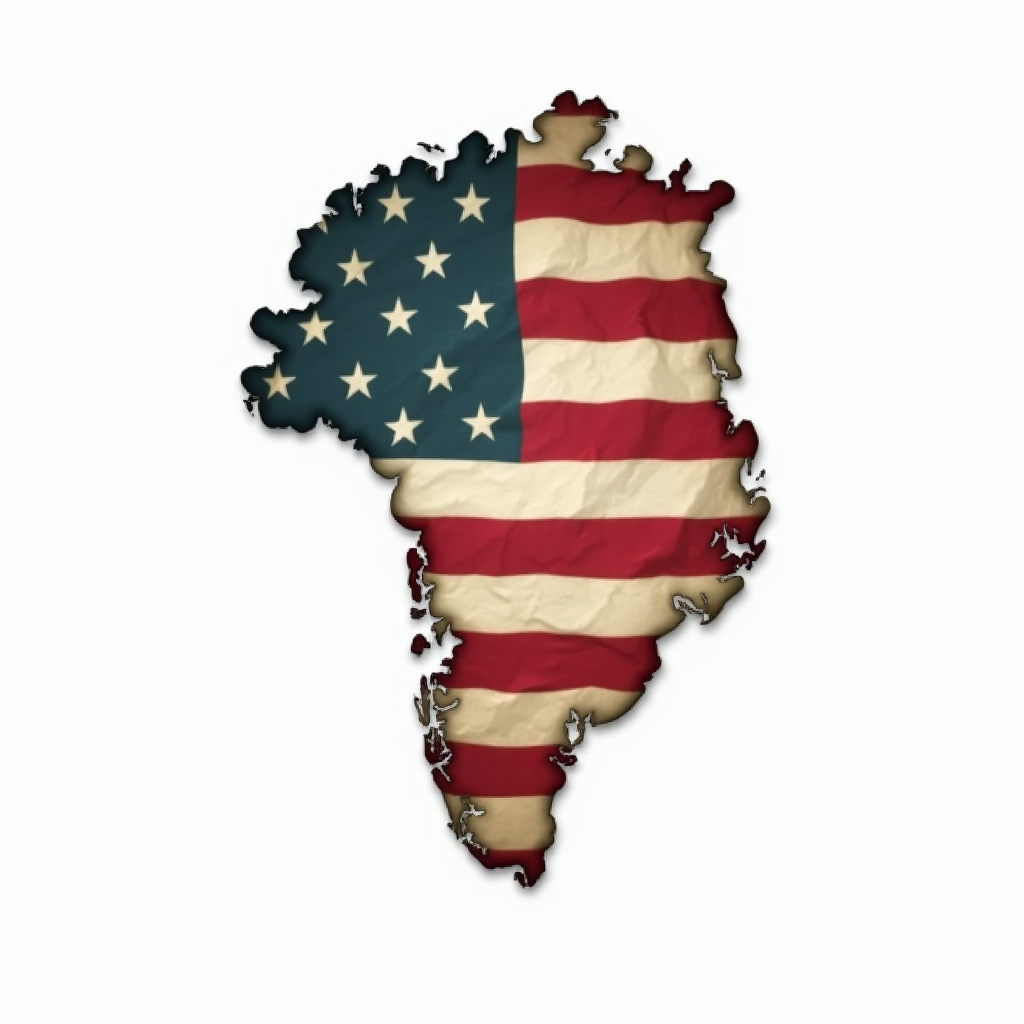
The National Security Strategy also talks of pushing for a stronger industrial base in the US and less reliance on foreign technologies. This includes securing the supply of essential minerals to prevent supply chain disruptions and economic coercion. Trump once again covets Greenland. Would he really invade or will he just deploy more US troops there? Either way, a falling out with NATO member Denmark over Greenland and fellow European NATO allies is most unwelcome.
The seizure of Venezuelan leader Nicolas Maduro has demonstrated more powerfully than ever Trump’s belief in the power of his will, backed by US military force. The US will now ‘run’ Venezuela which, as it just so happens, has the world’s largest proven oil reserves of over 300 billion barrels!
Trump looks to be throwing Ukraine under the bus to allow the US to focus military resources on the challenge from rival superpower, China. What message does Trump’s action in Venezuela and comments about Colombia, Cuba and Greenland send to China, which regards Taiwan as a breakaway province and has declared that returning it to the control of Beijing is a national priority? Either way, it looks as if geopolitical uncertainty will continue to challenge investors in 2026.
What have we been watching?
A good start to 2026 for US and UK equities, with both the S&P 500 and the FTSE 100 indices hitting an all-time high despite increasing geopolitical uncertainty. Defence stocks climbed higher as President Trump asked US lawmakers for a 50% increase in defence spending to $1.5 trillion. Geopolitical uncertainty increased further at the start of 2026 for besides Trump’s actions and comments on Venezuela and Greenland, we are now looking at possible regime change in Iran or the risk of further escalation in the Middle East should the authorities in Tehran strike Israel. Gold hit a new high, but so did copper, the latter due to supply disruption and US inventory building over sustained tariff concerns.

Besides the increased global geopolitical risk there is also uncertainty in the US concerning Trump’s tariffs and the independence of the Federal Reserve (Fed). A decision on Trump’s IEEPA tariffs from the Supreme Court is possible later this week. In addition, Fed Chair Jerome Powell has revealed that the Department of Justice has issued a subpoena to the central bank, signalling the potential for a criminal indictment relating to the renovation of the Fed office building in 2025. Jerome Powell has made it clear that he views the move as one aimed at influencing the independence of the Fed.
The main economic news flow came from the US. The US ISM services activity indicator hit a 14-month high, the weekly jobless claims figure came in below forecast, although the December non-farm payroll numbers were a little below expectation. Taken together, markets once again went into ‘good news is bad news mode’ and took the combined data as suggestive that the Fed may delay interest rate cuts.

Brent oil edged higher to $63. President Trump threatened to block ExxonMobil from developing Venezuela’s oil reserves after its CEO called the country ‘un-investable.’
Finally, we have frequently discussed the trade war between the US and China as both battle for global dominance. Interesting to read, therefore, that China’s BYD has overtaken Elon Musk’s Tesla as the world’s biggest seller of EVs. Tesla saw car sales fall to 1.64 million vehicles in 2025 while BYD saw car sales rise to 2.25 million. More alarmingly, competition within China’s EV market remains fierce and Chinese EV manufacturers such as BYD, Geely and MG are now focusing on exports and putting pressure on Western competitors by pricing their EVs below that of established brands. Not good news for European carmakers or their employees!

1 The Square,
Temple Quay,
Bristol BS1 6DG
Tel: 0117 203 3460
Email: info @ alpha-pm.co.uk

Full version
© Alpha Portfolio Management 2026. All Rights Reserved
Site by Lookhappy